
OSFED & Atypical Anorexia Treatment in Connecticut
Specialized, weight-inclusive eating disorder therapy in Westport and throughout Connecticut
Not fitting neatly into a diagnostic category does not make an eating disorder less real or less deserving of treatment.
Other Specified Feeding or Eating Disorder (OSFED) includes eating disorder presentations that cause significant distress or impairment but do not meet all of the criteria for another specific eating disorder diagnosis. Atypical anorexia is one of the most recognized forms of OSFED.
At Shoreline Eating Disorder Center, we provide compassionate, individualized treatment for adolescents and adults experiencing OSFED, atypical anorexia, and other eating disorder concerns. In-person therapy is available in Westport, with telehealth available throughout Connecticut.
What Is OSFED?
Other Specified Feeding or Eating Disorder, commonly called OSFED, is a diagnostic category for clinically significant eating disorders that do not meet all of the criteria for diagnoses such as anorexia nervosa, bulimia nervosa, or binge eating disorder.
That does not mean the eating disorder is mild, incomplete, or less serious.
OSFED can include several different eating disorder presentations, including:
Atypical anorexia nervosa
Bulimia nervosa occurring at a lower frequency or for a shorter duration
Binge eating disorder occurring at a lower frequency or for a shorter duration
Purging disorder
Night eating syndrome
Someone may also have eating disorder symptoms that significantly affect their physical health, emotional wellbeing, relationships, or daily functioning even when their experience does not fit neatly into the diagnostic categories they are familiar with.
A diagnosis is a tool for describing a clinical presentation. It is not a measure of how much someone is struggling or how deserving they are of care.
What Is Atypical Anorexia?
Atypical anorexia is a form of OSFED in which someone experiences the core features of anorexia nervosa—including significant restriction, fear of weight gain, and disturbance in the way weight or shape is experienced—but their body weight is not considered “significantly low.”
Despite the word atypical, the experience itself is not unusual, and the diagnosis should not be interpreted as meaning “less severe.”
People with atypical anorexia may experience significant restriction, rapid or substantial weight loss, intense fear surrounding food or weight, compulsive movement, body checking, rigid food rules, and significant psychological distress.
They may also experience medical consequences associated with inadequate nutrition and weight loss.
The primary distinction between anorexia nervosa and atypical anorexia is the weight criterion—not whether the eating disorder is real.
Feeling that your weight, shape, or eating determines your self-worth
You do not need to meet every diagnostic criterion or reach a particular body size to deserve help with your relationship with food.
When Weight Bias Delays Diagnosis
You Don't Have to Be Underweight to Be Malnourished
One of the most harmful misconceptions about restrictive eating disorders is that you can determine how sick someone is by looking at their body.
You cannot.
People in larger bodies may engage in significant restriction or lose substantial amounts of weight and still be complimented, encouraged to continue losing weight, or told that their behaviors are healthy.
As a result, eating disorders in people who do not fit the stereotypical image of anorexia may go unrecognized for months or years.
Someone may even be told that they cannot have anorexia because their weight is “too high,” despite experiencing significant restriction, intense eating disorder thoughts, physical symptoms, or medical instability.
At Shoreline Eating Disorder Center, we do not use body size as a proxy for eating disorder severity.
We consider changes in eating and movement, the trajectory and rate of weight change when clinically relevant, physical and psychological symptoms, medical status, distress, functioning, and the impact the eating disorder is having on your life.
OSFED Can Look Different for Different People
Because OSFED includes a range of eating disorder presentations, there is no single list of symptoms that describes everyone's experience.
Signs that additional support may be helpful can include:
Restricting the amount or variety of food you eat
Frequently skipping meals or delaying eating
Significant or rapid changes in weight
Increasingly rigid rules about food or eating
Intense anxiety, guilt, or distress surrounding food
Fear of gaining weight or changing body size
Binge eating or feeling out of control around food
Self-induced vomiting or other purging behaviors
Restricting, fasting, or exercising to compensate for eating
Compulsive or rigid exercise
Feeling unable to rest without guilt or anxiety
Frequent weighing, body checking, or comparison with others
Avoiding restaurants, celebrations, travel, or social situations involving food
Feeling that your weight, shape, eating, or exercise determines your self-worth
Spending increasing amounts of time thinking about food, weight, exercise, or your body
Feeling as though your eating disorder is “not bad enough” because you do not meet the criteria for another diagnosis
You do not need to check every box or receive a particular diagnosis before seeking help.

Medical Monitoring & Higher Levels of Care
Atypical anorexia and other OSFED presentations can have significant physical and psychological consequences regardless of body size.
For individuals experiencing significant restriction or weight loss, medical monitoring can be an important component of treatment.
Outpatient therapy may not always provide enough support. Depending on medical status, eating disorder behaviors, psychiatric needs, available support, and ability to remain safe, additional treatment may sometimes be recommended.
This may include intensive outpatient treatment (IOP), partial hospitalization (PHP), residential treatment, or inpatient medical stabilization.
Recommendations for additional care are based on the individual's overall clinical picture rather than weight or BMI alone.
Our goal is to help clients access the least restrictive level of care that can safely and effectively meet their needs.
Learn more about levels of care and treatment recommendations in our FAQ.
Our Approach to OSFED & Atypical Anorexia
Individualized, Weight-Inclusive Eating Disorder Treatment
At Shoreline Eating Disorder Center, we don't believe treatment should be determined by a diagnostic label alone.
Two people with the same diagnosis may have very different relationships with food, bodies, movement, emotions, and recovery. Treatment should reflect those differences.
Our approach is individualized, collaborative, trauma-informed, and weight-inclusive.
Depending on your symptoms, needs, and goals, treatment may focus on:
Reducing restrictive, binge eating, purging, or other eating disorder behaviors
Increasing consistency and flexibility around food
Challenging rigid food rules and all-or-nothing thinking
Understanding the function eating disorder behaviors serve
Developing alternative strategies for managing distress
Reducing compulsive or compensatory movement
Increasing flexibility around exercise and rest
Addressing anxiety, perfectionism, rigidity, or obsessive thinking
Exploring body image without requiring body acceptance as a condition of recovery
Addressing the effects of weight stigma and previous dieting experiences
Rebuilding trust in yourself and your needs
Reconnecting with relationships, activities, and values that have been limited by the eating disorder
Recovery is not always linear, and there is no single definition of recovery that works for everyone.
When immediately stopping a behavior is not realistic, harm-reduction strategies may be incorporated to reduce risk, increase safety, preserve engagement in treatment, and support meaningful change.
When appropriate, we collaborate with medical providers, dietitians, psychiatrists, and other members of your treatment team.
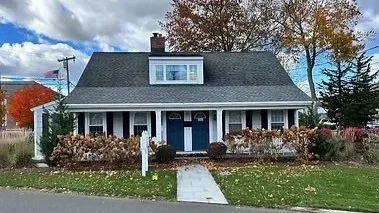
OSFED & Atypical Anorexia Treatment in Westport and Throughout Connecticut
Shoreline Eating Disorder Center provides specialized outpatient treatment for OSFED, atypical anorexia, and related eating disorder concerns in Westport, Connecticut, serving clients throughout Fairfield County, including Fairfield, Norwalk, Wilton, Weston, Darien, New Canaan, Stamford, Greenwich, and surrounding communities.
Telehealth eating disorder therapy is also available throughout Connecticut.
Working with an eating disorder specialist can be particularly important when your symptoms have previously been dismissed because of your diagnosis, body size, weight, or because you were told that your eating disorder was not “severe enough.”
We take eating disorder symptoms seriously even when they don't fit neatly into a particular diagnostic box.
You Don't Need to Prove That You're “Sick Enough”
If your relationship with food, movement, weight, or your body is causing distress or interfering with your life, that matters.
You do not need to reach a particular weight, experience a medical crisis, meet every criterion for another eating disorder, or convince someone else that your symptoms are severe enough before asking for support.
Whether you have been diagnosed with OSFED or atypical anorexia, have been given different eating disorder diagnoses over time, or simply know that something about your relationship with food no longer feels sustainable, we can talk about what you are experiencing and determine whether Shoreline Eating Disorder Center may be a good fit.
Telehealth appointments are also available throughout Connecticut and, through PSYPACT, to eligible clients located in participating PSYPACT states. PSYPACT allows authorized psychologists to provide telepsychology across state lines in participating jurisdictions, expanding access to specialized care beyond Connecticut.
Because PSYPACT participation varies by state and may change over time, eligibility for telehealth services will be confirmed based on your location at the time of treatment.