
Anorexia Treatment in Connecticut
Specialized, weight-inclusive eating disorder therapy in Westport and throughout Connecticut
Anorexia can take over your relationship with food, your body, and your life. At Shoreline Eating Disorder Center, we provide compassionate, individualized treatment that looks beyond weight and focuses on the whole person. We work with adolescents and adults experiencing anorexia and restrictive eating disorders, with in-person therapy available in Westport and telehealth throughout Connecticut.
Understanding Anorexia
Anorexia nervosa is an eating disorder characterized by restriction of food intake, fear of weight gain, and significant distress related to food, weight, or body shape. But anorexia is about much more than food or weight.
For many people, eating disorder behaviors serve an important function. Restriction may provide a sense of control, emotional regulation, predictability, safety, or relief from distress. Over time, however, these behaviors can become increasingly rigid and begin to interfere with physical health, relationships, work or school, and the ability to fully participate in life.
Effective treatment means understanding not only what is happening with food and eating, but also why the eating disorder has become necessary and what may be needed in its place.
Signs You May Need Support
There is no single way that anorexia looks. Some people recognize that their relationship with food has become increasingly difficult, while others may not initially see their behaviors as a problem.
Signs that additional support may be helpful can include:
Restricting the amount or variety of food you eat
Frequently skipping meals or delaying eating
Increasingly rigid rules about what, when, or how much you can eat
Significant anxiety, guilt, or distress surrounding food
Fear of gaining weight or changes in your body
Frequent weighing, body checking, or comparison with others
Avoiding restaurants, celebrations, travel, or other situations involving food
Compulsive or rigid exercise
Difficulty resting or taking days off from movement
Feeling that you need to “earn” food or compensate for eating
Increasing preoccupation with food, calories, weight, exercise, or body shape
Feeling increasingly isolated because of eating disorder behaviors
You do not need to experience every symptom—or reach a particular level of severity—to deserve support.
Anorexia Doesn't Have a “Look”
Eating disorders cannot be diagnosed by looking at someone.
People with restrictive eating disorders exist across the full spectrum of body sizes, genders, ages, races, and backgrounds. Someone can experience significant restriction, malnutrition, psychological distress, and medical complications without appearing underweight.
Unfortunately, people in larger bodies are often diagnosed later—or not diagnosed at all—because serious eating disorder symptoms may be overlooked or even praised when they result in weight loss.
At Shoreline Eating Disorder Center, body size is not used as a measure of whether someone is “sick enough” to need care.
We take changes in eating, behaviors, physical health, emotional wellbeing, and overall functioning seriously regardless of the number on a scale.
Our Approach to Anorexia Treatment
There is no single path to recovery from an eating disorder. Treatment at Shoreline Eating Disorder Center is individualized to the person sitting in front of us—not based on a predetermined definition of what recovery is supposed to look like.
Our approach is weight-inclusive, trauma-informed, collaborative, and grounded in current eating disorder treatment principles.
Treatment may focus on:
Reducing restrictive and other eating disorder behaviors
Increasing flexibility around food and eating
Understanding the emotional and psychological functions of the eating disorder
Developing alternative ways of coping with distress
Addressing anxiety, perfectionism, rigidity, or obsessive thinking
Reducing compulsive movement and increasing flexibility around rest
Exploring body image without making body acceptance a prerequisite for recovery
Reconnecting with relationships, interests, values, and experiences that have been limited by the eating disorder
Identifying realistic, meaningful goals for recovery
We also recognize that recovery is not always linear or all-or-nothing.
When complete symptom cessation is not immediately possible, a harm-reduction approach may help reduce risk, increase safety, preserve engagement in treatment, and support meaningful change.
Whenever appropriate, we collaborate with dietitians, medical providers, psychiatrists, and other members of a client's treatment team.

When Outpatient Treatment Isn't Enough
Eating disorders can have serious medical and psychological consequences, and outpatient therapy is not always the appropriate level of care.
During treatment, we continually consider whether outpatient care is providing enough support to maintain safety and make meaningful progress.
In some situations, we may recommend additional evaluation or a higher level of eating disorder care, such as intensive outpatient treatment (IOP), partial hospitalization (PHP), residential treatment, or inpatient medical stabilization.
These recommendations are made collaboratively whenever possible and are based on the individual's medical status, eating disorder behaviors, psychiatric needs, available support, and ability to remain safe, not simply body weight or BMI.
Our goal is to help each client receive the least restrictive level of care that can safely and effectively meet their needs.
Learn more about levels of care and treatment recommendations in our FAQ.
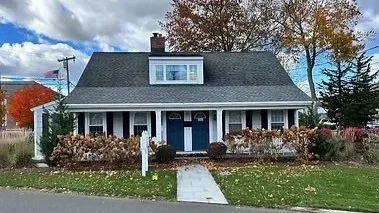
Anorexia Treatment in Westport and Throughout Connecticut
Shoreline Eating Disorder Center provides specialized outpatient treatment for anorexia and restrictive eating disorders in Westport, Connecticut, with convenient access for clients throughout Fairfield County, including Fairfield, Norwalk, Wilton, Weston, Darien, New Canaan, Stamford, Greenwich, and surrounding communities.
Telehealth eating disorder therapy is also available to clients throughout Connecticut.
Working with an eating disorder specialist can be particularly important because behaviors that may appear healthy or harmless in other contexts can have a very different meaning when an eating disorder is present.
Our goal is to provide a space where the complexity of eating disorders is understood and where treatment can be tailored to your individual needs, values, and goals.
Your Relationship With Food Doesn't Have to Control Your Life
You don't have to wait until things become worse or until you feel “sick enough”to ask for help.
Whether you're concerned about restriction, anxiety around food, compulsive movement, changes in your relationship with your body, or an existing anorexia diagnosis, we can talk about what's happening and determine whether Shoreline Eating Disorder Center may be a good fit for you.
In-person appointments are available in Westport, Connecticut. Telehealth is available throughout Connecticut and to eligible clients located in participating PSYPACT states.